

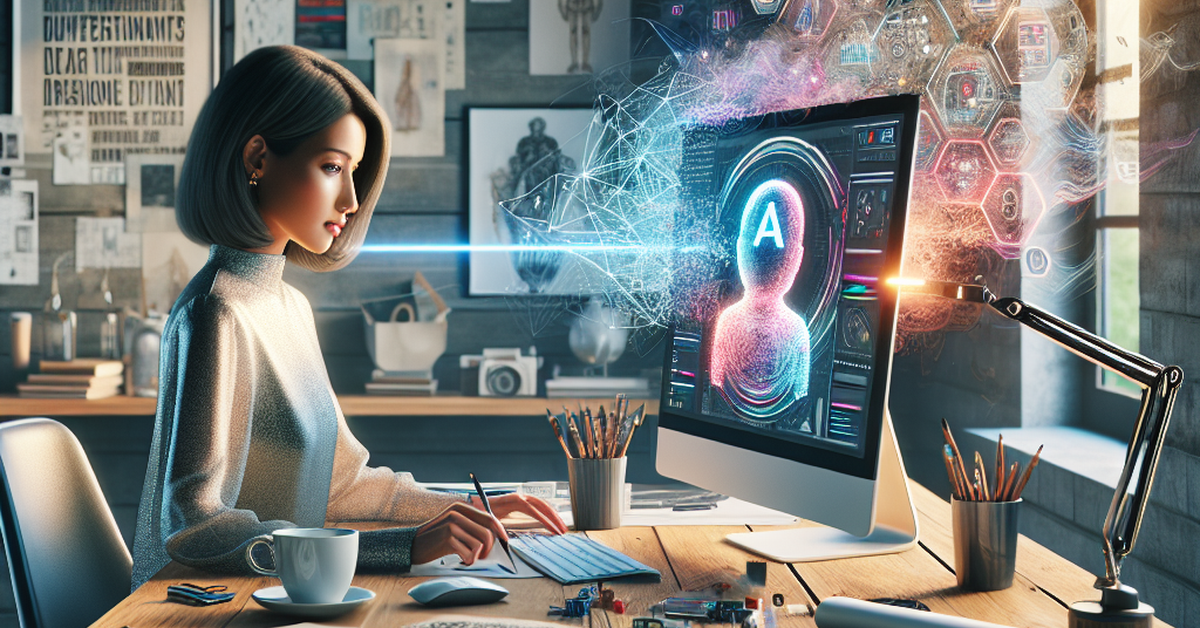
Generative AI is reshaping the global workforce and redefining creativity at an unprecedented pace. From design and marketing to programming and education, AI-driven tools are transforming how people work, learn, and innovate. What was once a futuristic concept is now a daily reality across industries and continents.
🌍 What Is Generative AI?
Generative AI refers to advanced algorithms capable of creating original content such as text, images, videos, and code. Examples include ChatGPT for writing and research, Midjourney for visual design, and Synthesia for video production. Unlike traditional automation tools, generative AI can simulate human-like creativity, producing unique and contextually relevant results.
This new wave of technology is not limited to tech companies. Businesses of all sizes—from startups to global enterprises—are adopting AI to enhance productivity, reduce costs, and generate fresh ideas faster than ever.
💼 The Global Impact on Jobs
Generative AI is changing the job landscape worldwide. Routine and repetitive tasks are being automated, while demand grows for roles that require strategy, creativity, and emotional intelligence. According to the World Economic Forum, AI could create as many as it displaces, reshaping rather than eliminating work.
Industries most affected include:
- Marketing and Advertising: AI tools now generate copy, social media content, and ad visuals in minutes.
- Education: Virtual tutors and AI-powered study assistants personalize learning experiences.
- Programming: Developers use AI assistants to speed up coding and debugging.
- Design and Media: AI art and video tools are opening new creative possibilities.
🧠 New Skills in the Age of AI
The rise of AI highlights the growing need for digital literacy and adaptability. Skills that blend human creativity with AI fluency are becoming increasingly valuable. Workers who can use AI tools effectively—such as prompt engineering, data interpretation, and critical thinking—stand out in a competitive job market.
Soft skills are also gaining importance. Empathy, communication, and problem-solving remain irreplaceable traits that AI cannot replicate.
🎨 Redefining Creativity
Generative AI is not replacing creativity—it’s expanding it. Artists, writers, and designers are using AI to brainstorm ideas, visualize concepts, and enhance their projects. Instead of removing human imagination, AI acts as a collaborator, accelerating the creative process while leaving the emotional and conceptual direction to humans.
However, the use of AI in creative industries raises ethical questions about originality, ownership, and authenticity. The debate continues globally as regulators and creators seek a balance between innovation and integrity.
🌐 Preparing for the Future
The future of work will depend on how societies and individuals adapt to AI’s rapid evolution. Lifelong learning and reskilling are now essential. Governments, educational institutions, and companies worldwide are promoting AI literacy and continuous training to help workers remain competitive.
In the Philippines and other emerging economies, AI presents both opportunities and challenges. As automation increases, workers who embrace technology and focus on human-centered skills will thrive in the new digital economy.
🚀 Conclusion
Generative AI is transforming the world of work and creativity. While it automates certain tasks, it also unlocks new levels of efficiency, innovation, and artistic expression. Those who learn to collaborate with AI—rather than compete against it—will shape the next era of global progress.